

The Origins of the Okupa Movement
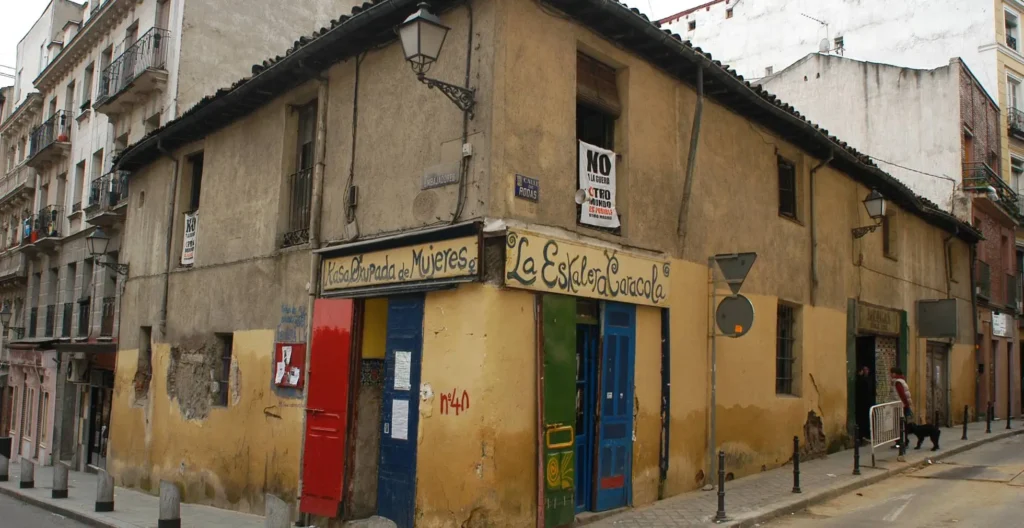
The okupa phenomenon originated in Spain during the late 1970s and early 1980s, inspired by squatter movements across Europe, particularly in countries like the UK, Germany, and the Netherlands. Initially, these groups were rooted in political ideologies, often anarchist or socialist, advocating for alternative ways of living that rejected capitalist ownership structures. They occupied abandoned buildings, transforming them into communal spaces, cultural centers, and homes.
Over the decades, this countercultural movement evolved, and the line between ideological okupas and opportunistic squatting blurred. Today, many okupas are not politically motivated but are individuals or families in precarious financial situations seeking shelter amidst Spain’s housing crisis.
Why Is the Problem So Prevalent in Spain?
Several factors contribute to the widespread nature of okupas. First, the 2008 financial crisis devastated Spain’s economy, causing mass evictions and foreclosures while leaving thousands of homes vacant. Spain currently has one of the highest numbers of empty homes in Europe, with approximately 3.4 million properties sitting unused. Many of these properties are owned by banks, investment funds, or private individuals, creating a stark contrast between available housing and rising homelessness.
Spanish law further complicates the issue. Laws originally designed to protect tenants from illegal evictions now inadvertently protect squatters who occupy homes. If okupas remain in a property for more than 48 hours, police cannot immediately remove them without a court order. This legal gray area makes the eviction process costly and time-consuming for property owners, who often spend months, or even years, trying to reclaim their homes.
The Legal Challenges and Impact on Property Owners
Spain’s legal system distinguishes between illegal entry into primary residences (allanamiento de morada), which allows for swift police intervention, and the occupation of vacant or secondary homes (usurpación), which requires property owners to go through lengthy court proceedings. Once squatters establish residence, particularly if they claim vulnerable status—such as the presence of children or elderly individuals—eviction becomes even more difficult.
The impact on property owners is severe. Squatters often cause significant property damage, leaving owners with costly repairs. The legal expenses to reclaim a home can be substantial, adding financial pressure to landlords, especially small property owners. Homes that have been illegally occupied also suffer from decreased value, further frustrating property owners.
The Different Types of Okupas
While the term okupas often carries a negative connotation, there are different types of squatters in Spain. Some okupas are ideological, occupying properties to create community spaces, art hubs, or cultural centers. These individuals often maintain the properties and promote alternative ways of living.
On the other hand, many okupas are individuals or families forced into squatting due to economic hardship. The lack of affordable housing and social support leaves these people with few options for shelter. However, there is also a rise in “professional squatters”—criminal groups or opportunistic individuals who exploit legal loopholes for personal gain, sometimes extorting property owners or renting out squatted homes illegally.
Government Responses and Proposed Solutions
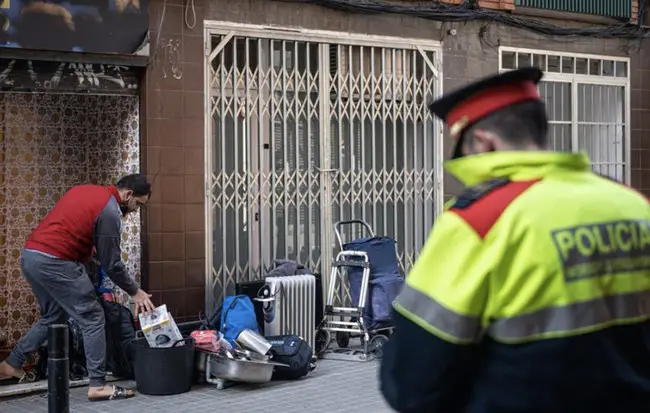
The growing crisis has led to increased calls for reform. The Spanish government has proposed measures to speed up the eviction process, particularly for secondary and vacant properties. Tougher penalties for squatters are also being considered to deter illegal occupancy. At the same time, policymakers are investing in social housing and rental assistance programs to address the root causes of the issue and provide vulnerable families with alternatives to squatting.
Encouraging property owners to rent out vacant homes instead of leaving them unused has also been discussed as a solution. Government incentives could help reduce the number of empty properties and mitigate the problem.
Conclusion
The okupa crisis in Spain highlights a complex intersection of economic struggles, legal loopholes, and social divides. While some squatters are families or individuals in desperate need, others exploit the system for personal gain, creating frustration and financial losses for property owners. Resolving this issue requires a balanced approach—streamlined legal reforms, support for vulnerable populations, and strategies to bring empty homes back into the housing market. Spain’s struggle with okupas raises broader questions about housing rights, economic justice, and property ownership that demand thoughtful and decisive action.