Spain is one of the most attractive countries in Europe for living and buying real estate. This sunny country in the southwest of the continent attracts people from all over the world due to its comfortable Mediterranean climate, magnificent nature, clean beaches and unique atmosphere combining traditional culture and modern lifestyle.
Spain is not only sun and sea. It is a country with a rich history, ancient architectural monuments such as the famous Sagrada de Familia in Barcelona or the Royal Palace in Madrid, gastronomic diversity and a rich cultural life. Here, crowded modern cities and quiet, authentic villages surrounded by vineyards, orange orchards and olive groves are surprisingly juxtaposed.
Every year the number of foreigners dreaming of moving to Spain and acquiring their own home here is steadily increasing. There are many reasons for this: the availability of real estate, the possibility of obtaining a residence permit, the high level of health care and education, safety and, of course, the unique, measured and relaxed way of life of Spaniards, famous for their friendliness and hospitality.
However, the dream of living in Spain requires not only desire and inspiration, but also a clear understanding of the practical aspects associated with buying real estate and moving. There are many nuances, from choosing the right region and the correct paperwork to taxation and mortgage lending. In order for your relocation to go smoothly, without unnecessary worries and unforeseen situations, it is necessary to familiarize yourself in advance with the main points, which we will describe in detail in this article.
Why is Spain a popular place to relocate?
Spain has held its position as one of the most sought-after countries for expats, retirees and investors for many years. The reasons for this popularity are obvious:
- Climate: Mild winters and sunny summers ensure a comfortable vacation and permanent residence.
- Quality of life: Spain is famous for its high level of medical care, developed infrastructure and safety.
- Cultural heritage and lifestyle: The country is rich in tradition, history, famous cuisine and friendly people.
- Relatively affordable real estate: Despite rising prices, the cost of housing in Spain is still attractive compared to other European countries such as France or Germany.
However, before you become the happy owner of a house or apartment in Spain, you need to familiarize yourself with some important points that will help you avoid unpleasant surprises.
1. Choice of region: sea, mountains or city?
Spain is a large and diverse country offering many options for moving and buying real estate. Each of its regions has its own unique atmosphere, culture, climate and lifestyle. Which region you choose to buy a home in depends on your personal preferences, goals and budget. Let’s take a closer look at the features of the most popular destinations:
Mediterranean coast of Spain
The Spanish Mediterranean is thousands of kilometers of beautiful beaches, mild climate and excellent infrastructure for comfortable living and recreation.
- Costa del Sol. The Costa del Sol region (Spanish for “Coast of the Sun”) is located in the south of Spain in the province of Málaga. There are more than 320 sunny days a year, making it one of the most attractive places in Europe for year-round living. Cities such as Málaga, Marbella and Fuengirola have long been popular with foreigners. The region attracts people who prefer an active lifestyle, golf and yachting enthusiasts, and those who want to enjoy a vacation in a warm and comfortable environment.
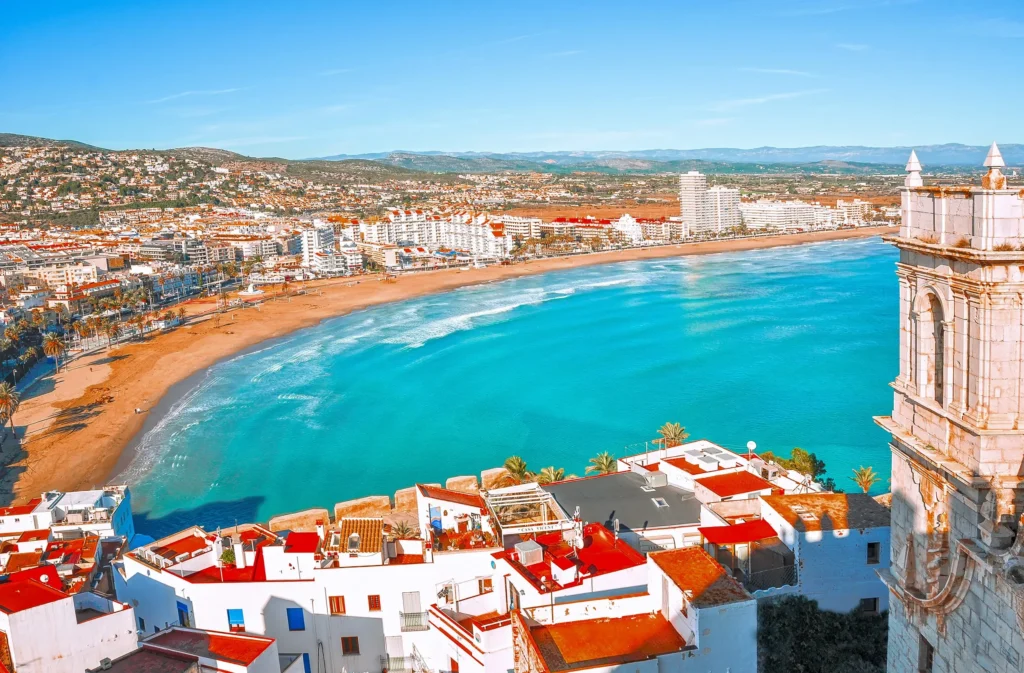
- Costa Blanca. The Costa Blanca (“White Coast”) is located in the province of Alicante and is famous for its golden beaches and clear sea. The cities of Alicante, Benidorm, Torrevieja are known for their developed infrastructure, good schools, medical centers and a lot of entertainment for children and adults. Real estate here is characterized by attractive prices and a variety of options, so the Costa Blanca is especially popular among families with children and retirees who appreciate affordability and comfort.
- Catalonia. The region of Catalonia, located in northeastern Spain, combines a vibrant urban lifestyle with the beauty of the Mediterranean coastline. Barcelona, the region’s capital, attracts those who appreciate a high quality of life, cultural events, museums and world-class restaurants. Tarragona and Girona are ideal for lovers of historical sights and natural beauty. Real estate in Catalonia is more expensive, but investments here are considered prestigious and promising.
Canary and Balearic Islands
The Spanish islands are a world apart, offering a completely different rhythm of life and special climatic conditions.
- Canary Islands. The Canary Islands are an archipelago of eternal spring in the Atlantic Ocean, located closer to Africa than to mainland Spain. The most popular among real estate buyers are the islands of Tenerife, Gran Canaria, Lanzarote and Fuerteventura. Here is a mild climate all year round, unique nature, mountains and ocean. The Canaries are especially suitable for those who are looking for peace, love ecotourism and healthy lifestyle.
- Balearic Islands. The Balearic Islands (Mallorca, Menorca, Ibiza and Formentera) are located in the Mediterranean Sea. Majorca attracts people with a high level of wealth and lovers of comfortable, measured life surrounded by picturesque nature. Ibiza is known for its youthful atmosphere, nightlife and exclusive real estate for wealthy clients. Property here is a prestigious investment and prices are above average.
Inland regions and major cities
If you prefer a dynamic urban lifestyle, Spain will offer you these options as well.
- Madrid. The capital of Spain is a modern metropolis with a rich history and a vibrant cultural life. Here are located the best universities, modern medical clinics, many theaters, museums and restaurants. Real estate in Madrid is suitable for people focused on career, children’s education and high level of service.
- Valencia. The third largest city in Spain is famous for its mild climate, high quality of life and moderate housing prices. Valencia is a great place for families and people who want to combine urban comfort with proximity to the sea.
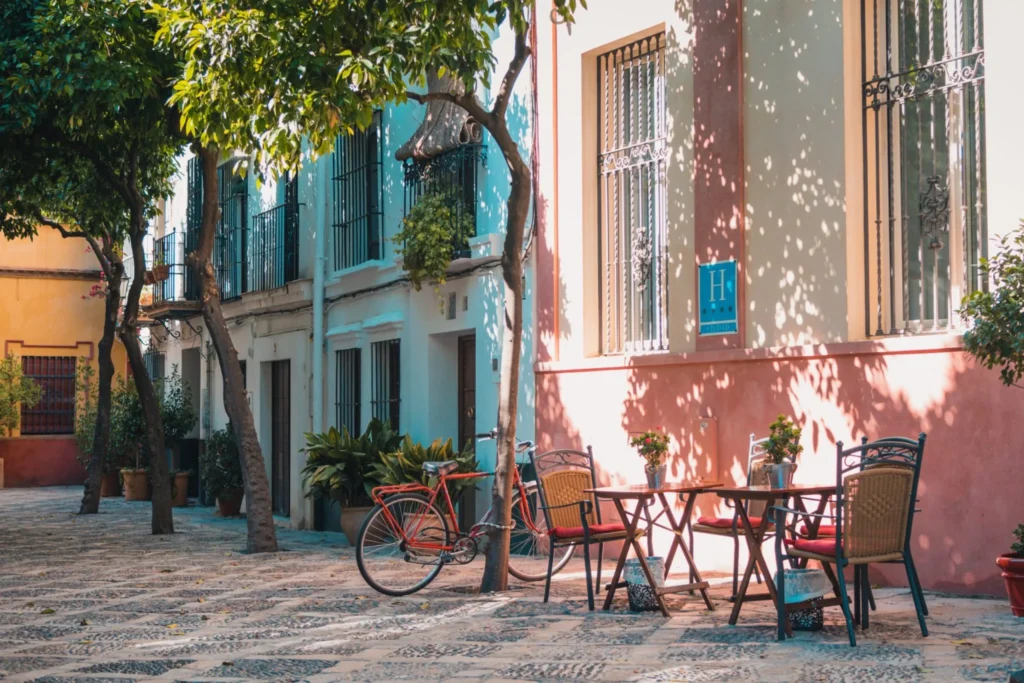
- Seville. The capital of Andalusia, Seville is an authentic Spanish city with a rich history, colorful traditions and festivities such as the famous Feria de Abril. Seville is suitable for those who want to experience the true spirit of Spain and live in a beautiful, colorful and friendly environment.
2. Legal and administrative aspects of buying real estate
Buying real estate in Spain for foreigners is quite affordable, but it is important to understand the legal intricacies in advance.
Required documents
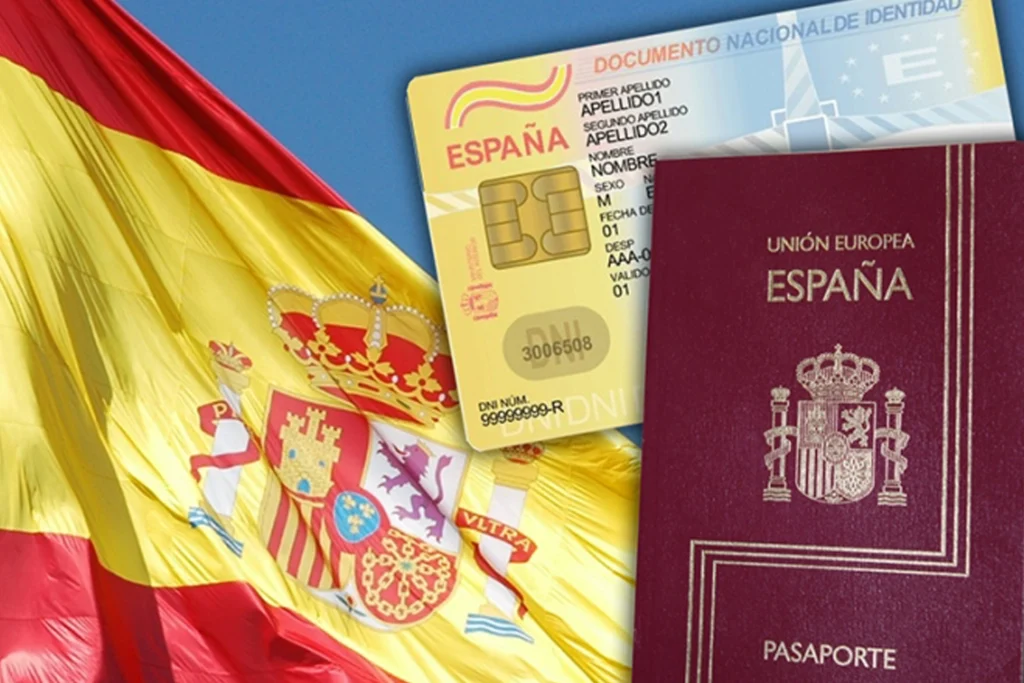
- NIE (Número de Identidad de Extranjero) is a foreigner identification number required for any official transaction.
- Bank account – opening an account in a Spanish bank is mandatory to pay for purchases and utility bills.
Real estate inspection
Check that the property has no encumbrances (mortgages, legal disputes and debts). It is important to contact a professional lawyer specializing in real estate to check the entire history of the property.
Taxes and fees
- Property Transfer Tax (ITP) – 6 to 10% depending on the region and property value.
- VAT (IVA) – for new-build properties is 10%.
- Notary, registration and legal costs are approximately 2-3% of the value of the home.

3. Financing and mortgages for foreigners
Buying real estate in Spain is often associated with the need to attract mortgage funds. Spanish banks have a positive attitude to foreign buyers and willingly provide mortgage loans to non-residents.
Conditions of mortgage lending for foreigners:
Spanish banks usually provide mortgages to foreign nationals for terms of 5 to 30 years. The average mortgage interest rate ranges from 2.5% to 4.5% per annum and depends on the financial situation of the borrower, his status (resident or non-resident), the size of the down payment and the characteristics of the property to be purchased.
Most often banks are ready to finance from 60% to 70% of the cost of the object, and the remaining 30-40% must be paid by the buyer from his own funds. However, sometimes foreigners with a high and stable income can count on slightly more favorable conditions.
Documents required to obtain a mortgage in Spain:
In order to apply for a mortgage loan, you need to prepare a number of documents in advance to prove your financial situation and creditworthiness:
- Proof of income: Certificates of income from place of employment (for salaried employees), documents confirming business ownership (for entrepreneurs), proof of rental income from real estate or dividends, if any.
- Bank statements: Bank statements for the last 6-12 months confirming regular receipts and availability of own funds.
- Certificate of No Debt: A document from the tax office of your country of residence confirming that you do not owe any taxes or fees.
- Identity documents: Foreign passport, copies of visa or residence permit documents (if available) + Foreigner Identification Number (NIE).
Tips for applying for a mortgage in Spain:
- Start gathering documents early, as it can take 4 to 8 weeks for them to be reviewed and approved.
- It is advisable to seek advice from a professional mortgage broker or agency that can help you find the best option and maximize your chances of loan approval.
- Pay attention to possible additional costs when taking out a mortgage, such as bank fees, home insurance and borrower’s life insurance, which is mandatory for many banks.
4. Peculiarities of the Spanish real estate market
The Spanish real estate market is rich and varied, allowing you to find housing for almost every taste and budget. However, in order to make the right choice, it is important to understand the peculiarities of local real estate and the differences between its main types.
Variety of types of real estate in Spain
Apartments are the most popular type of accommodation, especially in coastal towns and resort areas. This is a convenient and affordable option for those who plan to vacation seasonally or want to invest in housing in order to generate rental income. Apartments are usually located in residential complexes with common infrastructure: swimming pools, playgrounds, parks and security.
Those looking for more privacy, space and comfort should consider purchasing a townhouse or villa. These properties are most often preferred by families with children and retirees, as these homes offer a greater level of privacy, as well as having their own plots of land, gardens and sometimes swimming pools. These properties are often located in quiet residential areas, away from the tourist hustle and bustle, which provides a comfortable and peaceful life.
If you are looking for a traditional Spanish lifestyle, closer to nature, finca houses are the way to go. These are traditional houses with large plots of land that are ideal for those who love country living, gardening and farming. A finca allows you to fully immerse yourself in the local flavor, enjoy organic food and spend time away from the hustle and bustle of the city.
New buildings or secondary housing: pros and cons of each choice
There are a number of important factors to consider when choosing between new-build and secondary housing. New houses and complexes offer modern layouts, high construction standards and a quality guarantee from the builder. By buying a new building, you avoid repair costs in the first few years and can immediately enjoy a high level of comfort and modern infrastructure. However, the cost of new housing is usually noticeably higher than similar properties on the secondary market.
Secondary properties, on the other hand, have the advantage of more affordable prices, bargaining power and established neighborhood infrastructure. These properties are often located in established neighborhoods with stores, schools, restaurants, and public transportation. However, purchasing a secondary home requires a more thorough due diligence on the property to avoid hidden debts and encumbrances. In addition, secondary housing usually requires additional expenses for repairs and modernization of the premises.
What to pay attention to when choosing an object?
When buying real estate in Spain, you should always consider not only its value and type, but also additional costs: taxes, notary fees, utilities and maintenance costs. It is advisable to determine your priorities in advance, carefully study the market and contact experienced realtors and lawyers who will help you avoid unpleasant surprises and choose the best option taking into account your preferences and budget.
Thus, a competent approach and careful study of the market will make a successful choice of real estate in Spain, which will bring you not only the pleasure of living in a new country, but also long-term financial benefits.
5. Life in Spain: social aspects and adaptation
Buying a property and moving to Spain is just the first step to a new life. In order to feel truly at home and integrate into the local culture as quickly as possible, it is important to take care of several aspects of a comfortable adaptation in advance.
Language: the key to successful integration
Spanish is the official language throughout the country, but Spain is characterized by linguistic diversity. In addition to Spanish (Castilian), a number of autonomous regions have their own languages: Catalan in Catalonia and the Balearic Islands, Valencian in Valencia, Galician in Galicia and Basque in the Basque Country.
While it’s easy to find English-speaking residents in major tourist cities like Barcelona, Madrid, and Malaga, speaking Spanish or the local language will make everyday life much easier, from shopping and visiting government offices to interacting with neighbors and participating in cultural events.
Tips for learning a language:
- Enroll in Spanish courses before you move or as soon as you arrive.
- Talk to locals as often as possible: practicing in a conversational environment is the best way to improve your language skills.
- Attend cultural events, watch movies and read the local press for language immersion.
Health care and insurance: taking care of your health
Spain is famous for its high level of medical services, taking leading positions in the quality of health care in Europe and the world. The country has both a public health care system and a network of private clinics with a high level of service.
Foreigners living in Spain can benefit from public health care if they have a residence permit or are officially employed and pay social security contributions. Otherwise, it is recommended to purchase private health insurance, which provides access to qualified doctors, modern equipment and treatment without long waiting times.
It’s important to know:
- Private health insurance is required to obtain a residence permit
- When choosing insurance, look for coverage of services, hospitalization, dental care, specialist consultations and emergency care.
- Check for English-speaking professionals if you’re not sure of your Spanish level yet.
Integration into Spanish society: feel part of the community
Spaniards are known for their openness, friendliness and hospitality. However, in order to become part of the local community and integrate quickly, it is worth taking the initiative and actively participating in local life.
How to facilitate integration:
- Join local clubs and associations of interest: sports clubs, creative studios or volunteer organizations.
- Participate in traditional Spanish fiestas and festivals such as Feria de Abril in Seville, Las Fallas in Valencia or San Juan on the Mediterranean coast.
- Talk to your neighbors, visit local cafes, restaurants, markets and small stores – this will help you make new acquaintances and build your own social network.
- Don’t be afraid to ask questions and ask for help – Spaniards are eager to help foreigners trying to settle into their country.

6. Residence permits and investments
Spain is among the European countries that offer attractive residency programs for foreign nationals. One of the current possibilities is the digital nomad visa, created for remote workers and entrepreneurs wishing to reside in Spain while maintaining activities outside the country.
The digital nomad visa is designed for professionals working for foreign companies or running their own business in an online format. It allows you to reside in Spain for one year with the possibility of extension for up to five years, and subsequently to obtain permanent residency status.
The main benefits of a digital nomad visa:
- Freedom of movement within the Schengen area: Holders of this visa can travel freely within the Schengen countries.
- Residency flexibility: Unlike traditional forms of residence permits, there is no requirement for permanent residence in the country, making the program convenient for those with a mobile lifestyle.
- Tax benefits: The program offers favorable tax treatment to reduce the tax burden for remote workers and entrepreneurs.
- Ease of application: Obtaining a visa requires a minimum package of documents, and the application process takes one to three months.
- Possibility of extension and transition to permanent residence: After five years of residence, it is possible to apply for a permanent residence permit.
What to consider when applying for a digital nomad visa:
- It is necessary to prove a stable income (at least 2200-2500 euros per month) from a job or business outside of Spain.
- Employment in Spanish companies is not allowed – activities must be related to foreign customers or clients.
- Proof of no criminal record and health insurance required.
- The visa allows you to bring your spouse and minor children with you.
Helpful Guidelines:
- Before applying, it is advisable to consult with lawyers to take into account all legal and tax nuances.
- When choosing a place to live, pay attention to regions with a developed infrastructure for remote work, such as Barcelona, Valencia or Málaga.
- Prepare your financial documents in advance to simplify the application process.
Spain offers excellent conditions for digital nomads, combining comfortable accommodation, a high standard of living and access to the European market. A digital nomad visa is a great opportunity to live in a sunny country, enjoy its culture and work in a convenient way.
How do you turn a dream into a happy reality?
Moving to Spain and buying real estate is not just a change of residence, but a real lifestyle transformation that opens the door to a world of new opportunities, bright impressions and positive changes. In this sunny country you will find not only a comfortable climate and warm sea, but also fascinating cultural discoveries, gastronomic adventures and the opportunity to become part of a friendly community where every new day is filled with smiles and joy of life.
However, in order for your journey from dream to reality to go as smoothly as possible, you need to prepare thoroughly and take into account the many nuances associated with moving and buying a home. Be sure to seek help from experienced experts who can help you avoid common mistakes, reduce costs and simplify the paperwork process.
Remember: Spain is a country that rewards those who are ready for change. By moving here, you get a chance to live a brighter, more interesting and comfortable life, opening up endless opportunities for personal and professional growth. Take a step towards your dream and let your new life in sunny Spain become your best adventure!