The New Migration: From Offices to Sunny Cities
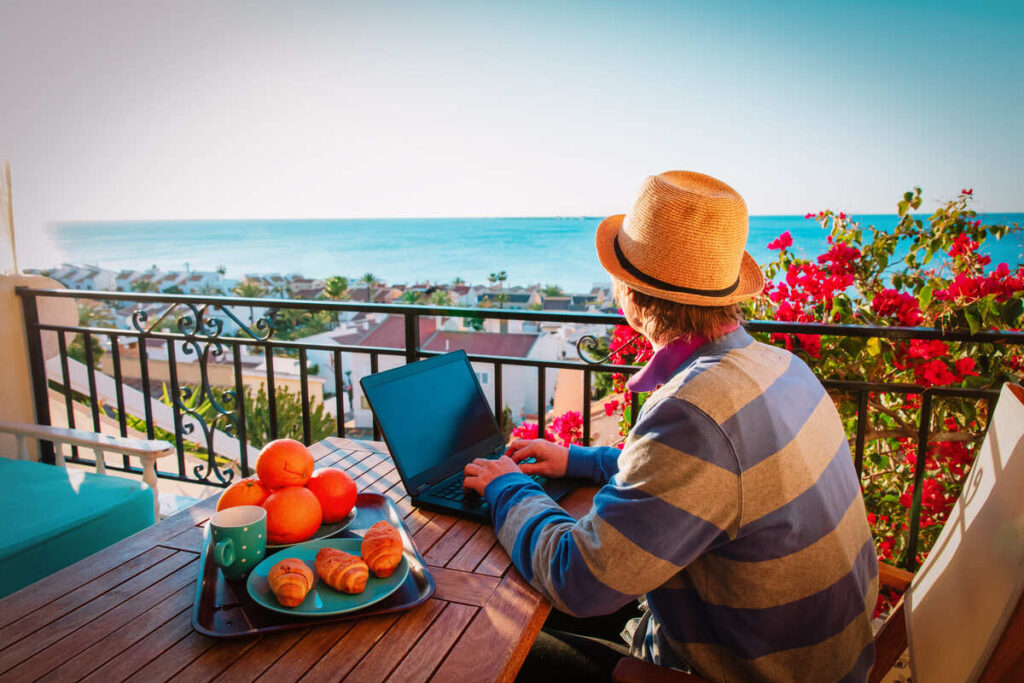
In Madrid cafes, a programmer from the US, a designer from Germany, and a marketer from Japan sit at neighboring tables. All work remotely, live in short-term rentals, and plan to stay in Spain for several more months. This scene has become commonplace in Spanish cities after the pandemic.
Spain unexpectedly found itself at the center of the global remote work revolution. Sunshine, relatively low prices, and excellent infrastructure made the country a magnet for digital nomads. But few understand how dramatically this is changing the rental housing market.
Numbers of the New Reality
Over three years, the number of short-term rental contracts in major Spanish cities has grown by 340%. The average rental duration has dropped from 18 to 8 months. Valencia, once considered a “sleepy” city, has become a hotspot for remote workers – the number of co-living spaces has increased fivefold.
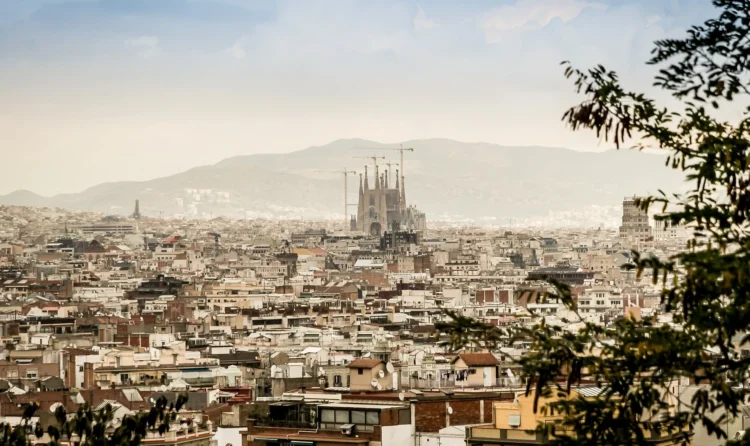
In Barcelona, a new type of housing has emerged – “hybrid living spaces” where you can rent not just a bed, but also a professional workspace with video conferencing equipment.

New Rules of the Game
Modern digital nomads don’t look for apartments near their workplace, but by completely different criteria:
- Internet speed matters more than square footage
- Nearby co-working spaces are more critical than parking
- Same-day move-in capability
- Full furnishing and move-in readiness
A typical nomad is willing to pay 20-30% more for flexibility and comfort. Their monthly rental budget is €1,200, which often exceeds what locals can afford.
Transforming Neighborhoods
The impact of digital nomads is concentrated but highly intensive. In Madrid, the Malasaña and Chueca districts have become “digital quarters” with co-working spaces on every corner. In Barcelona, the former industrial district of Poblenou has become Spain’s “Silicon Valley.”
This creates a new type of gentrification – not class-based, but professional. Neighborhoods change due to the influx of temporary migrants with high incomes and specific needs.
Economic Paradox
Digital nomads create a unique economic model: they consume local services but don’t use social infrastructure. They don’t send children to schools or visit public hospitals, yet their purchasing power often exceeds that of local residents.
The average nomad spends €2,800 per month, while the average Spaniard spends €1,900 on all needs. This creates local economic booms while simultaneously increasing inequality.
Cultural Resistance
The mass influx of remote workers doesn’t go unnoticed. In Barcelona’s Gràcia district, English is heard more often than Catalan. Local taverns close, giving way to vegan cafes and Asian cuisine.
This provokes growing resistance from locals, who create movements like “Madrid for Madrileños” and demand restrictions on short-term rentals.
Legal Labyrinths
Spanish legislation proved unprepared for digital migration. Nomads living in the country for 3-6 months fall into a legal gray area between tourists and residents.
This creates numerous problems: banks won’t open accounts without long-term contracts, operators refuse to connect internet for short periods. In response, an industry of “gray” services and package deals is developing.
Market Future
By 2027, the number of digital nomads in Spain could reach 500,000 people. This opens new opportunities for property owners:
What works:
- Fully furnished apartments with modern design
- Flexible rental terms (1-12 months)
- Professional workspaces in apartments
- Quick move-in capability
Profitability can be 30-50% higher, but requires more active management.
New Urban Reality
Digital nomads are changing not just the rental market, but the very nature of urban space. Cities are beginning to compete not for corporations, but for mobile professionals with high incomes.
Spain is adapting to this new reality: launching Digital Nomad Visa programs, creating special hubs, and offering tax incentives. The question is whether the country can balance the interests of temporary migrants and permanent residents.
One thing is clear – the era of traditional long-term rentals is coming to an end. The future belongs to flexibility, mobility, and adaptation to the needs of a new generation of workers.